Cataracts: early symptoms, causes and treatment
By See Better · Updated · 5 min read
The short answer
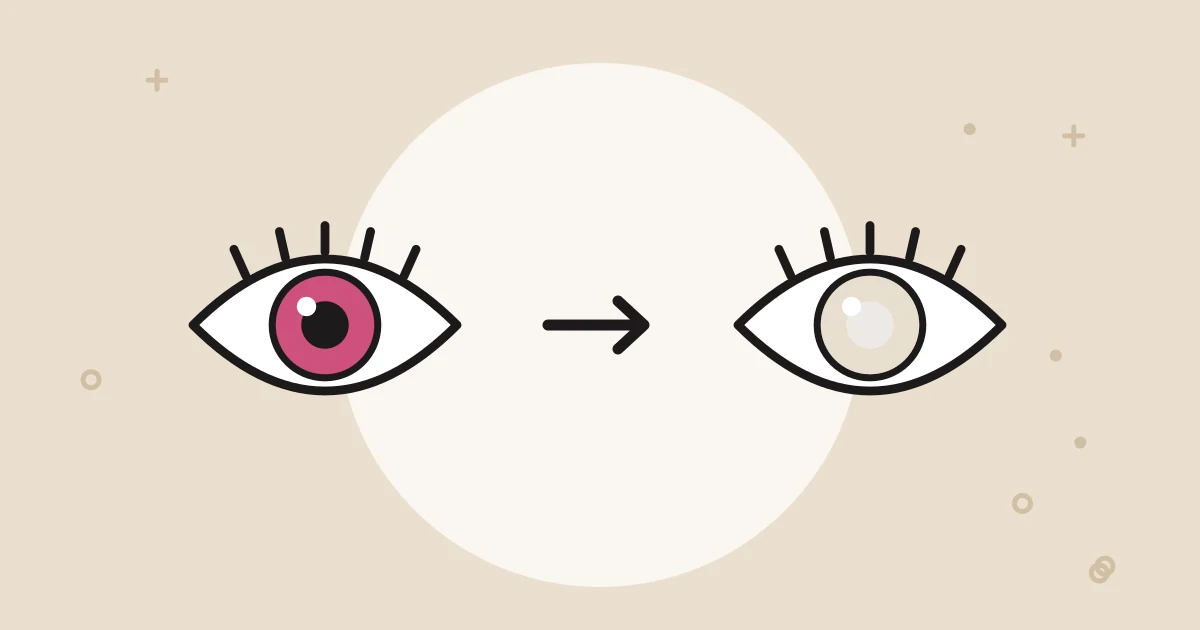
A cataract is a clouding of the lens inside the eye. Early symptoms are cloudy or misty vision, glare and halos around lights, difficulty seeing at night, faded colours and frequent changes in your glasses prescription. Cataracts develop slowly, mostly with age, and are treated with a short operation that replaces the cloudy lens.
Key points
- Cataracts are the leading cause of blindness worldwide and in South Africa, and they are treatable.
- Symptoms come on gradually: haze, glare, poor night vision and dull colours.
- No drops, diet or exercises can clear a cataract. Surgery is the only cure.
- An eye test can detect a cataract long before it troubles you.
What a cataract is
Behind the coloured part of your eye sits a lens that focuses light, much like the lens of a camera. It is made mostly of water and protein and should be perfectly clear. With time the proteins clump together and the lens turns cloudy. That cloudy lens is a cataract.
A cataract is not a growth or a film over the eye, and it does not spread from one eye to the other, although most people develop them in both eyes, often at different rates.
Early symptoms
Cataracts usually develop over years, and the first changes are easy to dismiss.
- Cloudy, misty or filmy vision, like looking through a dirty windscreen
- Glare. Sunlight, headlights and lamps seem too bright
- Halos or starbursts around lights, especially at night
- Poor night vision, with driving after dark becoming difficult
- Colours that look faded or yellowish
- Needing more light to read
- Frequent changes in your prescription
- Double vision in one eye
One curious early sign is that some people can suddenly read without their glasses again. This "second sight" happens because the cataract changes the focus of the lens. It is temporary.
Cataracts are painless and do not make the eye red. If you have pain or redness, something else is going on.
What causes cataracts
Age is the main cause. Most people have some clouding of the lens by their 60s or 70s, though it may not affect vision for years. Other factors bring cataracts on earlier or speed them up:
- diabetes
- years of exposure to strong sunlight without UV protection
- smoking
- long-term use of steroid medication
- a previous eye injury or eye surgery
- heavy alcohol use
- a family history of early cataracts
A few babies are born with cataracts or develop them in childhood. These need urgent treatment, because a cloudy lens stops vision from developing.
How cataracts are diagnosed
An optometrist can see a cataract during a routine eye test by examining the lens with a light and magnification. They will also check how much it is affecting your sight and whether new glasses would help. If the cataract is interfering with daily life, you are referred to an ophthalmologist, the eye specialist who performs cataract surgery.
Treatment: what helps and what does not
In the early stages, simple measures can keep you going:
- an updated glasses prescription
- brighter lighting for reading
- an anti-reflective coating on your lenses and sunglasses outdoors to reduce glare
These manage the symptoms. They do not stop the cataract. No eye drops, vitamins, diets or exercises have been shown to dissolve or reverse a cataract, whatever an advert may claim.
The only cure is surgery. The cloudy lens is removed through a tiny opening and replaced with a clear artificial lens that stays in the eye permanently. It is usually done under local anaesthetic as a day procedure, one eye at a time, and it is one of the most commonly performed operations in the world. Most people notice clearer vision within days.
When should you have surgery?
There is no need to wait for a cataract to be "ripe". That advice is long out of date. The right time is when the cataract interferes with what you need or like to do: driving, reading, working, recognising faces. That point is different for everyone, and the decision is made between you and your ophthalmologist.
In South Africa, cataract surgery is available privately and through state hospitals, where waiting lists can be long. Finding a cataract early gives you time to plan.
Can you prevent cataracts?
You cannot prevent them entirely, but you can lower the risk and slow them down:
- Wear sunglasses that block 100% of UV, and a hat. See how to choose sunglasses that protect your eyes.
- Do not smoke.
- Keep diabetes well controlled. See diabetes and your eyes.
- Eat plenty of vegetables and fruit.
- Have an eye test every year once you are over 60.
Why regular eye tests matter
Because cataracts creep up slowly, many people adapt without realising how much sight they have lost, until driving at night becomes frightening. A yearly eye test after 60 tracks any clouding and tells you when it is time to act. See Better tests your eyes at home in Gauteng for R450, which is especially helpful for older relatives who no longer drive. See eye tests for elderly parents at home.
Frequently asked questions
What is the first sign of cataracts?
Often it is slightly cloudy or hazy vision, together with more glare from headlights and lamps at night. Many people first notice that night driving has become harder.
Can cataracts be removed without surgery?
No. There are no drops, medicines or exercises that remove a cataract. Surgery to replace the cloudy lens is the only effective treatment.
At what age do cataracts usually start?
The lens often begins to cloud from the 40s and 50s, but most people only notice symptoms from their 60s onwards. Diabetes, smoking and heavy sun exposure can bring cataracts on earlier.
Do cataracts come back after surgery?
No. The artificial lens cannot develop a cataract. In some people the membrane behind the new lens turns cloudy months or years later, which is corrected with a quick, painless laser treatment.
This article is general information and is not a diagnosis or a substitute for an eye examination. If you are worried about your eyes or your sight, see an optometrist or a doctor. Sudden loss of vision, eye injuries and severe eye pain are emergencies.