Lazy eye (amblyopia): signs, causes and treatment
By See Better · Updated · 5 min read
The short answer
A lazy eye, or amblyopia, is reduced vision in one eye because the eye and the brain did not learn to work together properly in early childhood. It affects about 2 to 3 children in every 100. It is treated with glasses, patching or eye drops, and treatment works best when it begins before the age of about 7.
Key points
- A lazy eye usually looks completely normal from the outside.
- Common causes are a squint or a big difference in prescription between the two eyes.
- Treatment makes the brain use the weaker eye: glasses first, then patching or drops.
- Early eye tests are the only dependable way to find it.
What a lazy eye is
Seeing is a job shared by the eyes and the brain. In the first years of life, the brain learns to use the picture from each eye. If one eye sends a blurry or misaligned image during that time, the brain begins to favour the other eye and to ignore the weaker one. The connections for the weaker eye do not develop fully, and its vision stays poor, even with the right glasses on.
The medical name is amblyopia. The eye itself is usually healthy. The problem is in how the brain has learned to use it.
What causes it
- A squint (strabismus). The eyes point in different directions. To avoid double vision, the brain switches off the picture from the turned eye.
- Unequal prescriptions. One eye is much more long-sighted, short-sighted or astigmatic than the other. The brain relies on the clearer eye. This is the type most often missed, because the eyes look straight.
- Something blocking the view. A childhood cataract or a drooping eyelid stops a clear image from reaching the eye. This is rare but urgent.
A lazy eye is more likely if it runs in the family, or if a child was born prematurely.
Lazy eye and squint: not the same thing
People often use the two terms for the same thing, but they are different. A squint is an eye that turns in, out, up or down. A lazy eye is an eye that sees poorly because of how vision developed. A squint can cause a lazy eye, but many children with a lazy eye have perfectly straight eyes.
Why it is so easy to miss
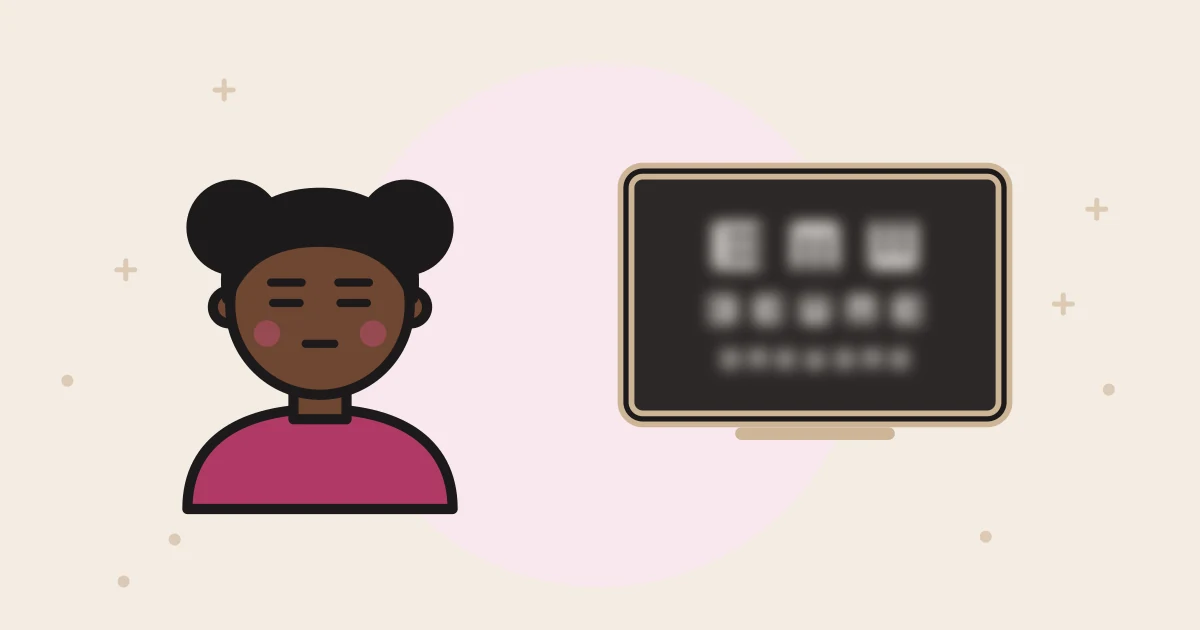
A child with one good eye functions normally. They run, play, read and catch a ball, and they do not know that one eye is weak. There is nothing for a parent to see. Often the first clue is an eye test, or the child covering the good eye by chance and discovering the difference.
Possible signs, when there are any:
- an eye that wanders or turns
- closing or covering one eye
- tilting the head
- poor depth perception, such as clumsiness or trouble catching
- becoming upset when one particular eye is covered
This is the main reason children should have their eyes tested at around age 3 and again before starting school. See when a child should have their first eye test.
How a lazy eye is treated
Treatment has one aim: to make the brain use the weaker eye.
- Glasses. If a prescription is the cause, glasses come first. In some children, glasses alone bring the weaker eye up to normal over a few months.
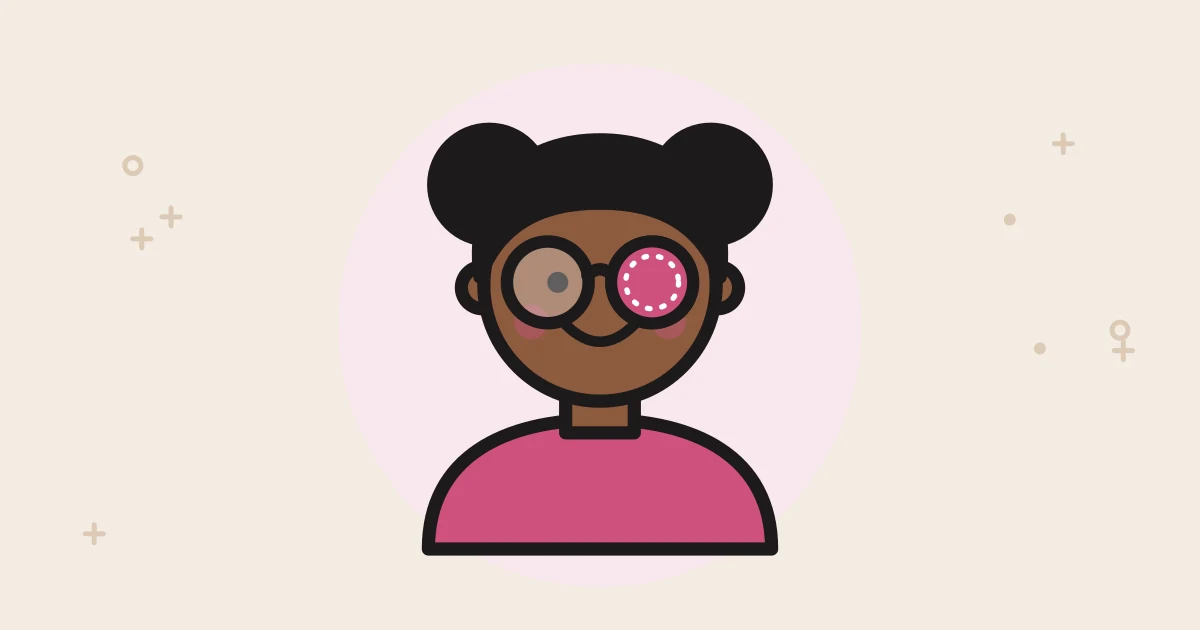
- Patching. A patch is worn over the stronger eye for a set number of hours a day, so the brain has to rely on the weaker one. Close-up activities during patching time, such as colouring, puzzles and reading, help.
- Atropine eye drops. A drop in the stronger eye blurs its near vision and achieves a similar result to a patch. It is an option for children who will not tolerate one.
- Treating the cause. A cataract or a drooping lid is treated by an ophthalmologist. A squint may need surgery to straighten the eyes, with patching before or after.
Treatment takes months, and sometimes longer, with regular check-ups. Results depend heavily on sticking to it. Patching is hard for children, and praise, routines and reward charts all help.
Diagnosis usually starts with an optometrist, who measures the vision in each eye and the prescription. Children who need patching, drops or surgery are generally managed together with an ophthalmologist or an orthoptist.
Why age matters
A young brain is easier to retrain. Treatment is most effective before about age 7, and the earlier it starts, the faster and more completely vision recovers. That does not mean older children should be left alone. Studies show that children up to 12, and many teenagers, still improve with treatment. They simply improve less reliably.
Lazy eye in adults
In adults, improvement is harder to achieve and patching is generally not effective. Research into new treatments for adults is under way. For an adult with a lazy eye, the priorities are different:
- protect the good eye, with safety glasses for DIY, sport and risky work
- have regular eye tests, so that any problem in the good eye is found early
- wear the correct prescription
Frequently asked questions
Can a lazy eye be cured?
In most children, yes, if treatment starts early. Many reach normal or near-normal vision in the weaker eye. The later treatment starts, the less complete the improvement tends to be.
How do I know if my child has a lazy eye?
You often cannot tell by looking. The reliable way to find out is an eye test that measures the vision in each eye separately. Signs such as a turning eye, head tilting or closing one eye should prompt a test straight away.
Do glasses fix a lazy eye?
Glasses are the first step, and for some children they are enough. If the weaker eye is still behind after a few months of wearing glasses full time, patching or atropine drops are added.
Is a lazy eye hereditary?
It can run in families. If a parent, brother or sister had a lazy eye or a squint, have your child's eyes tested early, ideally by age 3.
This article is general information and is not a diagnosis or a substitute for an eye examination. If you are worried about your eyes or your sight, see an optometrist or a doctor. Sudden loss of vision, eye injuries and severe eye pain are emergencies.