Can you improve your eyesight naturally?
By See Better · Updated · 6 min read
The short answer
No exercise, diet or supplement can reverse short-sightedness, long-sightedness, astigmatism or the need for reading glasses, because these are caused by the shape of the eye and the ageing of its lens. What you can do naturally is protect the vision you have: eat well, protect your eyes from UV, do not smoke, rest your eyes, and have regular eye tests.
Key points
- Refractive errors are physical, and no exercise changes the shape of the eye.
- Eye exercises do help some specific eye-coordination problems, when they are prescribed.
- Healthy habits lower the risk of eye disease. They do not remove the need for glasses.
- Be wary of any product that promises to restore your vision.
Why most blurry vision cannot be trained away
To see clearly, light has to be focused exactly on the retina. Whether that happens depends on physical measurements: the length of the eyeball, the curve of the cornea and the flexibility of the lens.
- In short-sightedness, the eye is slightly too long.
- In long-sightedness, it is slightly too short.
- In astigmatism, the cornea is curved unevenly.
- In presbyopia, the lens has stiffened with age.
Exercising the muscles around the eye does not shorten an eyeball, reshape a cornea or soften a lens, in the same way that exercising your feet does not change your shoe size. This is why major reviews of the research have found no good evidence that eye exercises reduce these prescriptions.
Popular methods, and what the evidence says
| Method | The claim | The evidence |
|---|---|---|
| Eye exercises (the Bates method, eye yoga, palming) | Train your eyes to see without glasses | No good evidence that they change a prescription |
| Pinhole glasses | Wearing them trains the eyes | They sharpen vision only while you wear them, by narrowing the light. No lasting effect |
| Going without your glasses | Makes your eyes stronger | It does not. It causes strain, and in children it can do harm |
| Carrots and vitamins | Sharper vision | They help only if you are deficient. They do not change a prescription |
| Apps and vision training programmes | Reverse the need for glasses | Small effects on how the brain handles blur at best. The prescription is unchanged |
| Herbal eye drops and "vision restoring" supplements | Cure cataracts or restore sight | No good evidence, and some carry risks |
Where eye exercises do work
There is one real exception. Some people's eyes focus perfectly well but do not work together easily. The best-studied example is convergence insufficiency, in which the eyes struggle to turn inwards for reading and cause double vision, headaches and tired eyes. A programme of exercises prescribed and supervised by an optometrist or orthoptist has been shown to improve this.
These exercises treat eye teamwork. They do not reduce short-sightedness or any other prescription.
What you can do naturally: protect your sight
You cannot exercise your way out of glasses, but daily habits make a real difference to the long-term health of your eyes.
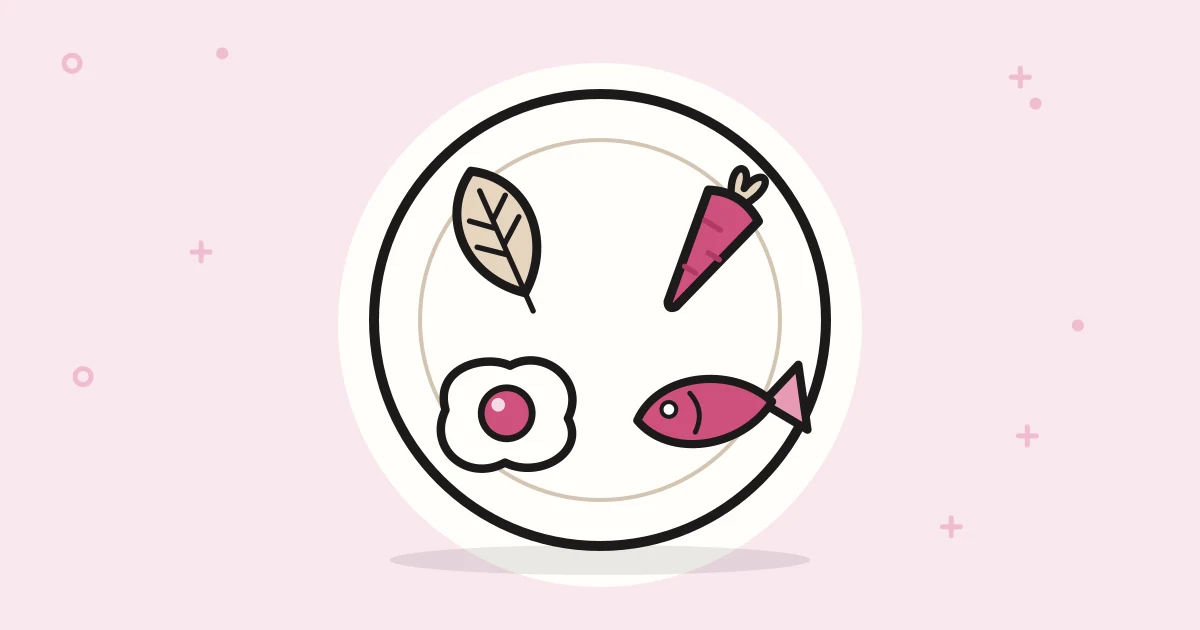
- Eat for your eyes. Leafy greens, orange vegetables, oily fish and eggs supply the nutrients the retina uses. See the best foods for eye health.
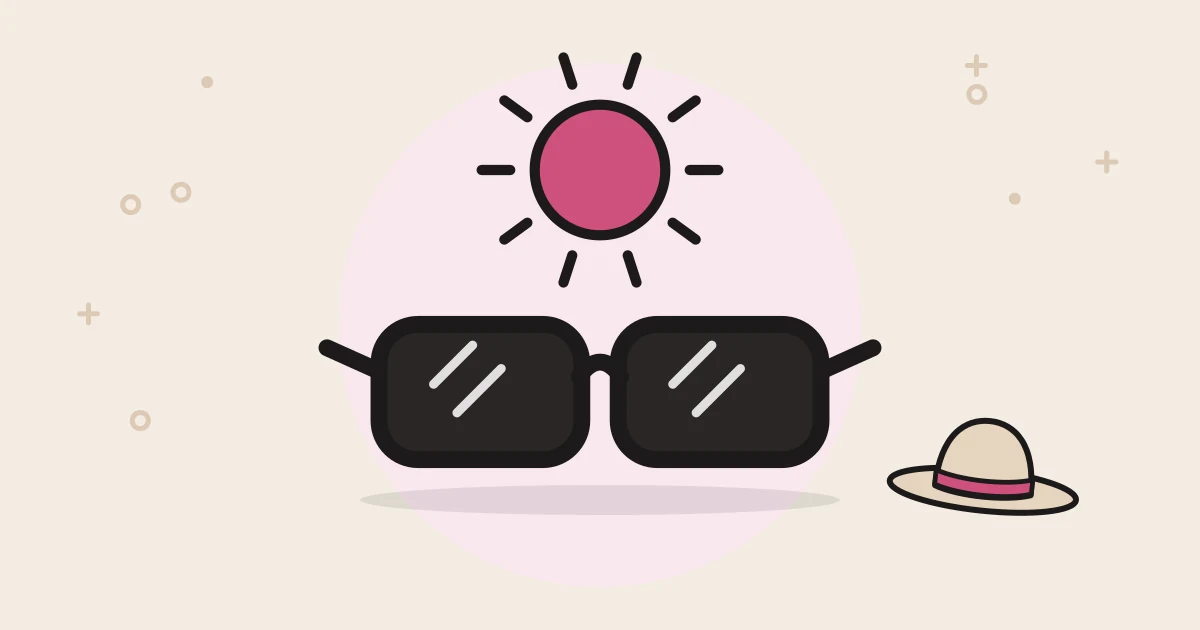
- Protect your eyes from UV. Sunglasses and a hat slow cataracts and other sun damage. See how to choose sunglasses that protect your eyes.
- Do not smoke. Smoking is one of the biggest avoidable risks for macular degeneration and cataracts.
- Control blood sugar and blood pressure. Diabetes and high blood pressure damage the blood vessels of the retina.
- Rest your eyes at screens. Use the 20-20-20 rule. See digital eye strain and the 20-20-20 rule.
- Sleep enough. Tired eyes are dry, sore and slow to focus.
- Get children outdoors. About two hours a day of daylight helps to delay the onset of short-sightedness. This is the one natural measure with strong evidence for affecting how a prescription develops. See short-sightedness in children.
- Have regular eye tests. Many sight-threatening conditions have no early symptoms.
Myths worth dropping
- "Wearing glasses makes your eyes weaker." It does not. Vision seems worse without them because you have got used to seeing clearly.
- "Reading in dim light ruins your eyes." It causes temporary strain, and nothing more.
- "Sitting too close to the TV damages your eyes." It does not. A child who sits close may be short-sighted, though.
- "If you can see well, your eyes are healthy." Glaucoma and early diabetic eye disease are silent.
Why vision sometimes seems to improve
People do report better vision, and there are real explanations:
- Dry eye that has been treated. A healthy tear film sharpens vision.
- Blood sugar brought under control. High sugar blurs vision, and it clears as the level settles.
- Short-sighted people after 40 find they can read without glasses.
- An early cataract can briefly improve near vision.
- Better lighting, rest and less squinting.
None of these means that the eye has retrained itself, and two of them, changing blood sugar and a developing cataract, are reasons to have your eyes examined.
Options that do reduce the need for glasses
- Contact lenses. See contact lenses or glasses?
- Laser eye surgery, for suitable adults with a stable prescription.
- Lens surgery, including the lens replacement done during cataract surgery.
- Overnight reshaping lenses (orthokeratology), which correct vision temporarily.
All of them begin with a proper eye examination.
Watch out for false promises
Adverts for drops, capsules, devices and programmes that claim to "restore 20/20 vision", "throw away your glasses" or "dissolve cataracts" appear constantly online. Vision is valuable, and that makes it profitable to exploit. If a product claims to cure something that eye specialists treat with glasses or surgery, be sceptical, and ask an optometrist before you spend money on it.
The dependable way to see better
For most people, seeing better is simple: an accurate, current prescription in a well-fitted pair of glasses. See Better tests your eyes at home in Gauteng for R450, and complete glasses start at R1199 including the test.
Frequently asked questions
Can eye exercises get rid of my glasses?
No. Exercises cannot change the length of the eye, the curve of the cornea or the stiffness of the lens, which are what create the need for glasses. They help only with certain eye-coordination problems.
Can short-sightedness be reversed naturally?
No. Once the eye has grown too long, it does not shorten. In children, more time outdoors and myopia-control treatments can slow it down. In adults, glasses, contact lenses or surgery correct it.
Does wearing glasses all the time make your eyesight worse?
No. Glasses do not change the eye. Adults' prescriptions change for their own reasons, such as age, and would change whether or not glasses were worn.
What is the best thing I can do for my eyesight?
Have regular eye tests, wear the correct prescription, protect your eyes from the sun, do not smoke, eat plenty of vegetables and fish, and keep blood sugar and blood pressure under control.
This article is general information and is not a diagnosis or a substitute for an eye examination. If you are worried about your eyes or your sight, see an optometrist or a doctor. Sudden loss of vision, eye injuries and severe eye pain are emergencies.