10 signs you need glasses
By See Better · Updated · 5 min read
The short answer
The most common signs that you need glasses are blurry vision at distance or up close, frequent headaches, squinting, tired or aching eyes, and trouble seeing at night. If you recognise two or more of the signs below, book an eye test. It is the only way to know for certain.
Key points
- Blur, headaches, squinting and tired eyes are the classic signs.
- Changes creep in slowly, so many people do not realise how much they are missing.
- An online quiz cannot tell you whether you need glasses. An eye test can.
- Sudden changes in vision need urgent attention, not a routine booking.
Why it is easy to miss
Most vision problems develop slowly. Your brain adapts as you go, so there is rarely a single moment when you notice that your sight has changed. You move a little closer to the TV, make the text on your phone a little bigger, and carry on. These ten signs are the clues that it is time for an eye test.
1. Distant things look blurry
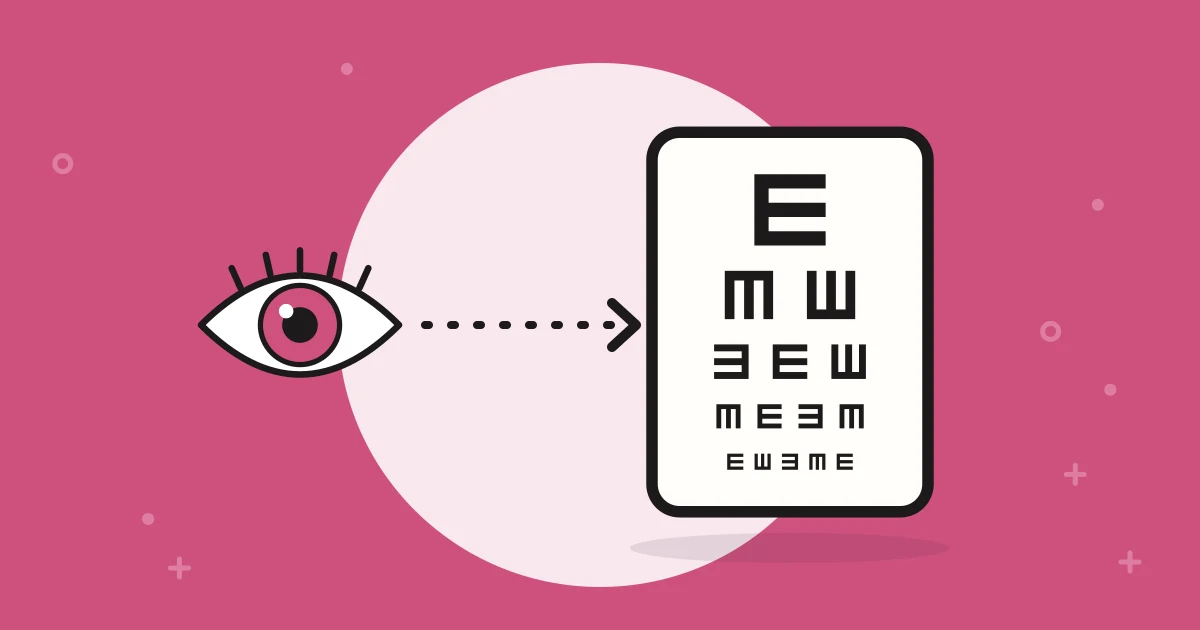
Road signs, number plates, the scoreboard at a match or the board in a classroom are soft or smudged until you get closer. This is the main sign of short-sightedness (myopia), and it often shows up first when driving. Short-sighted or long-sighted? explains the difference.
2. Close work is a struggle
Small print, phone screens, price tags and needlework are hard to focus on, or become blurry after a few minutes. In younger people this can point to long-sightedness or astigmatism. From about age 40 it is usually presbyopia, the normal loss of near focus that comes with age.
3. You get headaches
A dull ache across the forehead or around the eyes, especially later in the day or after reading, driving or computer work, can come from your eyes working too hard to focus. Not every headache is caused by eyesight, but it is one of the easiest causes to rule out. See can poor eyesight cause headaches?
4. You squint
Narrowing your eyes makes things slightly sharper for a moment, which is why people do it without thinking. If you catch yourself squinting at screens, signs or faces across the room, your eyes are trying to make up for blur.
5. Your eyes feel tired or sore
Eyes that ache, burn or feel heavy after ordinary tasks are under strain. An uncorrected prescription is a common cause. Long hours on screens are another, and the two often go together. Digital eye strain and the 20-20-20 rule covers the screen side.
6. Night driving has become difficult
Glare from oncoming headlights, halos around lights and trouble reading signs in the dark are often the first sign of a small prescription that you cope with in daylight. Read more in trouble seeing when driving at night.
7. You hold things closer or further away
Holding a book close to your face suggests short-sightedness. Holding your phone at arm's length to read a message suggests presbyopia. Either way, you are doing the job a lens should be doing.
8. You see double
Seeing two of something, or a ghost image beside letters, can be caused by astigmatism or by eyes that are not working together properly. Double vision that starts suddenly is different: treat it as urgent and see a doctor the same day.
9. You lose your place when reading
Skipping lines, rereading the same sentence or using a finger to keep your place can mean your eyes are struggling to focus or to work as a team. In children this is often mistaken for poor concentration.
10. You rub your eyes or need more light
Rubbing your eyes often, or needing a brighter lamp than you used to for the same task, are both signs that your eyes are working harder than they should.
What to do next
If two or more of these sound familiar, book an eye test. It takes about half an hour, it does not hurt, and you will know for certain whether you need glasses and how strong they should be. An eye test also checks the health of your eyes, which a self-test or an online quiz cannot do.
If your vision changes suddenly, or you have eye pain, flashes of light, a shadow across your sight or sudden double vision, do not wait for a routine appointment. See eye emergencies: when to get help.
Frequently asked questions
Can I need glasses even if I passed a driver's licence eye test?
Yes. The licence test only checks that you meet the legal minimum for driving. You can pass it and still have a prescription that causes headaches, tired eyes or blur at night or up close.
Will wearing glasses make my eyes worse?
No. Glasses do not weaken your eyes or make you dependent on them. They simply focus light correctly while you wear them. Vision often seems worse without them afterwards because you have got used to seeing clearly.
At what age do most people start needing glasses?
It can happen at any age. Short-sightedness usually appears in childhood or the teenage years. Almost everyone needs help with near vision from their early to mid 40s, including people who have never worn glasses before.
Is an online eye test enough to tell if I need glasses?
No. Online tests can hint that something is off, but they cannot measure an accurate prescription or examine the health of your eyes. Only an eye test with an optometrist can do that.
This article is general information and is not a diagnosis or a substitute for an eye examination. If you are worried about your eyes or your sight, see an optometrist or a doctor. Sudden loss of vision, eye injuries and severe eye pain are emergencies.